
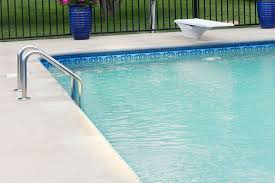
Why Is My Pool Cloudy? Causes, Solutions, and Prevention Tips
Having a cloudy pool can be frustrating, especially when you’re ready to dive in for a refreshing swim. Cloudy pool water not only looks uninviting but can also signal underlying issues with water chemistry or pool maintenance. In this comprehensive guide, we’ll explore the reasons why your pool is cloudy, how to fix it, and how to prevent it from happening again. Let’s dive into the details to help you achieve crystal-clear pool water!
Common Causes of Cloudy Pool Water
Cloudy pool water is often a symptom of an imbalance or issue in your pool’s system. Below are the most common reasons why your pool might be cloudy:
1. Imbalanced Pool Chemistry
- High pH or Alkalinity: When pH or total alkalinity levels are too high, it can cause cloudiness. Ideal pH levels should be between 7.2 and 7.6, and alkalinity should range from 80 to 120 ppm.
- Low Chlorine Levels: Insufficient chlorine allows algae and bacteria to grow, leading to cloudy water. Free chlorine levels should be maintained at 1–3 ppm.
- High Calcium Hardness: Excessive calcium (above 400 ppm) can cause scaling and cloudiness.
2. Poor Filtration or Circulation
- Dirty or Clogged Filter: A clogged filter can’t effectively remove debris, leading to cloudy water. Whether you have a sand, cartridge, or DE filter, regular cleaning is essential.
- Inadequate Circulation: Poor water circulation prevents proper filtration and chemical distribution, contributing to cloudiness.
3. Environmental Debris
- Pollen, Dust, or Leaves: Environmental factors like pollen, dust, or organic debris can accumulate in your pool, especially during windy seasons or after a storm.
- Algae Growth: Early-stage algae can make water appear cloudy before turning green. Algae thrive in warm, poorly sanitized water.
4. Heavy Pool Usage
- Bather Load: Oils, lotions, and sweat from swimmers can overwhelm your pool’s filtration and sanitation systems, causing cloudiness.
- Chemical Residue: Overuse of certain pool chemicals, like clarifiers, can contribute to cloudy water if not balanced properly.
5. Total Dissolved Solids (TDS)
- High levels of TDS, which include minerals, salts, and organic matter, can accumulate over time and cause cloudiness. TDS levels above 1,500 ppm may require partial water replacement.
How to Fix Cloudy Pool Water
Now that you know the potential causes, let’s look at how to restore your pool’s clarity with these actionable steps:
Step 1: Test and Balance Pool Chemistry
- Use a reliable pool testing kit to check pH, chlorine, alkalinity, and calcium hardness.
- Adjust pH to 7.2–7.6 using pH increaser or decreaser.
- Shock the pool with a chlorine-based shock treatment to eliminate bacteria and organic contaminants. Aim for a chlorine level of 5–10 ppm during shocking.
- Use a stabilizer (cyanuric acid) to protect chlorine from UV degradation, keeping levels between 30–50 ppm.
Step 2: Clean or Backwash Your Filter
- Sand Filters: Backwash until the water runs clear, typically every 1–2 weeks.
- Cartridge Filters: Remove and rinse thoroughly with a garden hose. Replace if damaged or overly worn.
- DE Filters: Backwash and add fresh diatomaceous earth as needed.
- Run the filter continuously (24–48 hours) to clear cloudiness.
Step 3: Use a Pool Clarifier or Flocculant
- Clarifier: Helps small particles clump together for easier filtration. Add according to package instructions and run the filter for 24 hours.
- Flocculant: Binds particles and sinks them to the pool floor for vacuuming. This is ideal for severe cloudiness but requires more effort.
Step 4: Vacuum and Skim the Pool
- Skim debris from the surface and vacuum the pool floor to remove settled particles.
- Clean skimmer baskets and pump strainers to improve water flow.
Step 5: Address Algae if Present
- If algae is suspected, brush pool walls and floors to loosen it, then apply an algaecide after shocking the pool.
- Maintain proper chlorine levels to prevent algae recurrence.
Step 6: Consider Partial Water Replacement
- If TDS or calcium hardness levels are too high, drain 25–50% of the pool water and replace it with fresh water. This dilutes contaminants and restores balance.
How to Prevent Cloudy Pool Water
Prevention is key to maintaining a sparkling pool. Follow these tips to keep your pool crystal clear:
- Test Water Regularly: Test your pool water at least twice a week to ensure proper chemical balance.
- Maintain Proper Chlorine Levels: Keep free chlorine at 1–3 ppm to prevent algae and bacteria growth.
- Run the Pump Adequately: Operate your pool pump for 8–12 hours daily to ensure proper circulation and filtration.
- Clean Filters Regularly: Backwash or clean filters every 1–2 weeks, or when the pressure gauge indicates a rise of 8–10 psi above normal.
- Shower Before Swimming: Encourage swimmers to rinse off lotions, oils, and sweat before entering the pool.
- Use a Pool Cover: A cover reduces debris and minimizes chemical evaporation, especially during off-seasons.
- Shock the Pool Weekly: Add a maintenance shock treatment weekly to keep water sanitized.
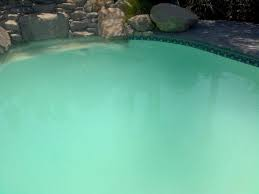
When to Call a Professional
If your pool remains cloudy after following these steps, it may be time to consult a pool professional. Persistent cloudiness could indicate:
- A malfunctioning pump or filter system.
- Severe algae infestations requiring specialized treatment.
- Underlying plumbing issues affecting circulation.
Can too much chlorine cause cloudy water?
- Yes, excessive chlorine can disrupt pH and alkalinity, leading to cloudiness. Always follow recommended dosages.
How long does it take to clear a cloudy pool?
- With proper treatment, most pools clear up within 24–48 hours. Severe cases may take longer.
Is cloudy pool water safe to swim in?
- Cloudy water may harbor bacteria or algae, so it’s best to avoid swimming until the water is clear and chemically balanced.
Conclusion
A cloudy pool is a common issue that can usually be resolved with proper diagnosis and treatment. By addressing imbalanced chemistry, improving filtration, and maintaining regular pool care, you can enjoy a sparkling, inviting pool all season long. Test your water regularly, keep up with maintenance, and act quickly at the first sign of cloudiness to prevent bigger problems.
For more pool maintenance tips or to explore pool cleaning products, visit your local pool supply store or consult a professional for personalized advice. Keep your pool crystal clear and dive into summer fun!
Keywords: cloudy pool water, fix cloudy pool, pool maintenance, pool chemistry, clear pool water, pool filtration, prevent cloudy pool

 PayPal
 Zelle
Zelle Cash
Cash CashApp
 Credit Cards
 and More